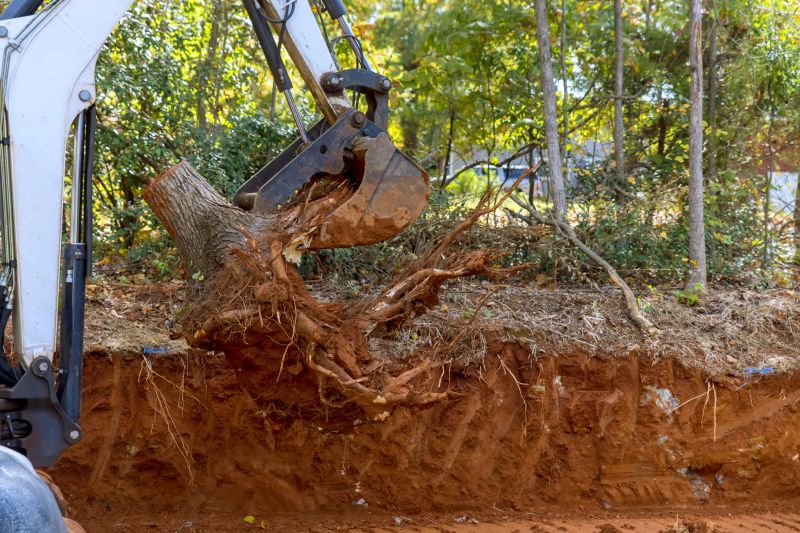
Tree Trunk Removal in Calvert County, MD
Tree trunk removal services involve the safe and efficient removal of entire tree trunks that are dead, damaged, or pose a risk to property. This service is commonly requested for projects such as clearing space for new construction, removing fallen or hazardous trees after storms, or eliminating trees that are diseased or dying. Property owners typically want to understand the scope of the removal process, including how the trunk will be cut and disposed of, as well as any potential impact on surrounding landscaping or structures.
Before requesting tree trunk removal, homeowners should consider the size and location of the trunk, as well as any nearby utilities, structures, or landscape features. It’s also helpful to understand whether the removal will involve grinding the stump or leaving it in place, and what the cleanup process entails afterward. Clear communication about these details can help ensure the project aligns with property goals and safety considerations.
Many property owners in Calvert County, MD look into Tree Trunk Removal for repairs, replacements, upgrades, and appearance-related improvements.
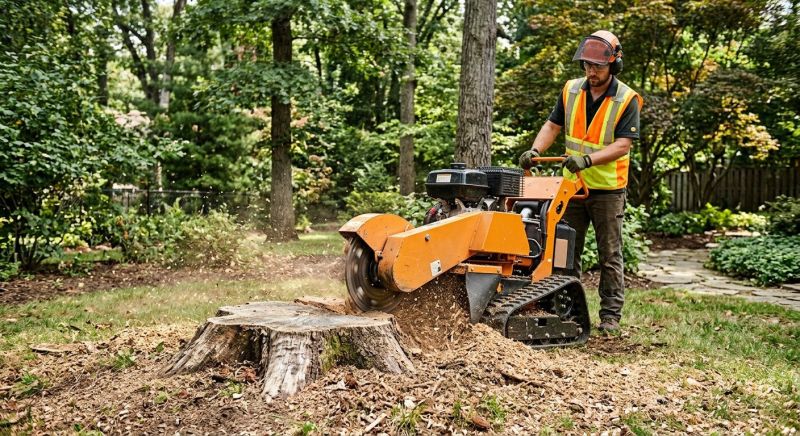
Tree Trunk Removal Benefits
Removing tree trunks can improve safety and prevent property damage in calvert county neighborhoods.
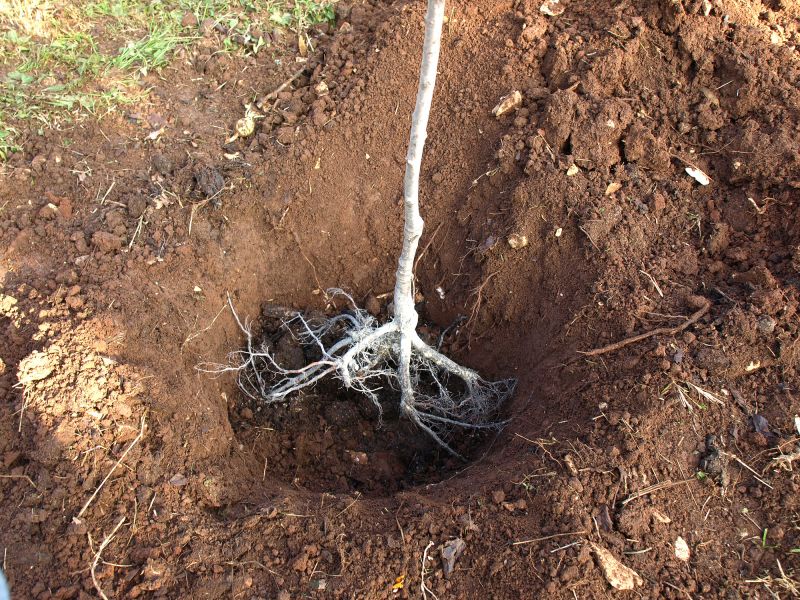
Common Reasons For Trunk Removal
Property owners often request trunk removal after storms, disease, or when trees become a hazard.
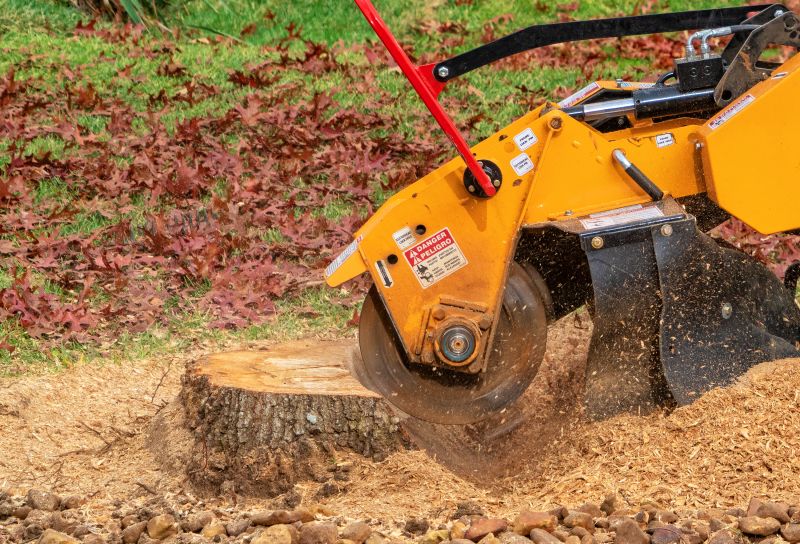
Trunk Removal Techniques
Professional services use specialized equipment to safely and efficiently remove tree trunks of all sizes.
Tree Trunk Removal in Calvert County, MD
Tree trunk removal services involve the safe and efficient removal of entire tree trunks that are dead, damaged, or pose a risk to property. This service is commonly requested for projects such as clearing space for new construction, removing fallen or hazardous trees after storms, or eliminating trees that are diseased or dying. Property owners typically want to understand the scope of the removal process, including how the trunk will be cut and disposed of, as well as any potential impact on surrounding landscaping or structures.
Before requesting tree trunk removal, homeowners should consider the size and location of the trunk, as well as any nearby utilities, structures, or landscape features. It’s also helpful to understand whether the removal will involve grinding the stump or leaving it in place, and what the cleanup process entails afterward. Clear communication about these details can help ensure the project aligns with property goals and safety considerations.
Many property owners in Calvert County, MD look into Tree Trunk Removal for repairs, replacements, upgrades, and appearance-related improvements.
Common Tree Trunk Removal Jobs
Tree trunk removal - removes damaged or dead trunks to improve landscape safety.
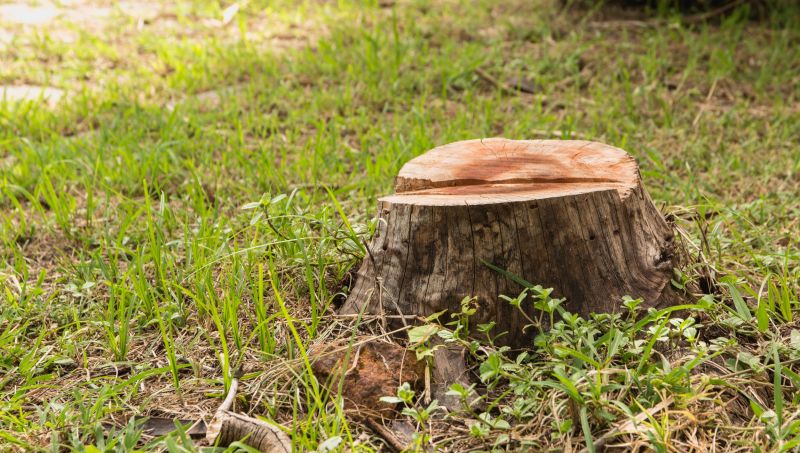
Stump removal - clears remaining stumps after trunk removal for a clean yard.
Emergency trunk removal - addresses hazardous trunks that pose immediate risks.
Selective trunk removal - targets specific trunks to maintain tree health and structure.
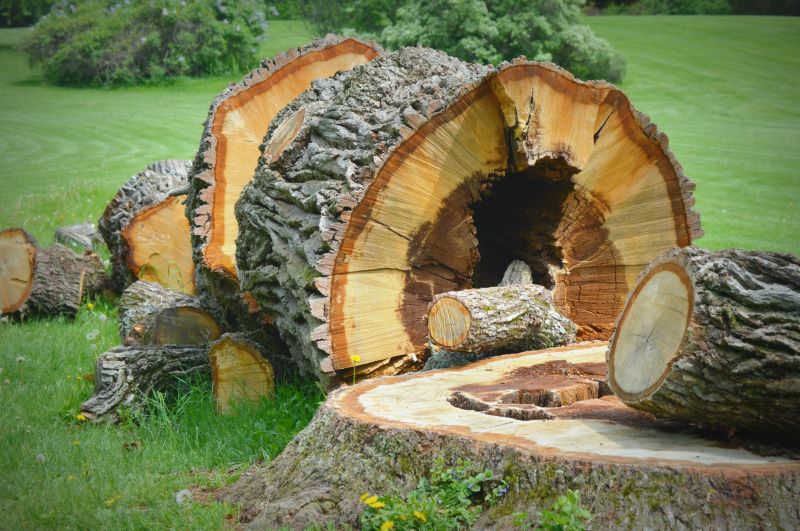
Storm damage cleanup - removes trunks broken or fallen due to severe weather.
Property clearing - prepares land by removing large trunks for development or landscaping projects.
Tree Trunk Removal Questions
When is trunk removal necessary? Trunk removal is needed when a tree poses a safety risk, has extensive damage, or is dead and cannot be preserved.
What are common signs a tree trunk needs removal? Signs include large cracks, decay, leaning, or visible fungal growth on the trunk.
How does trunk removal benefit a property? Removing a problematic trunk can prevent damage to structures, improve landscape safety, and enhance overall yard appearance.
Is trunk removal suitable for all tree types? Not all trees require trunk removal; it is typically recommended for trees with compromised or hazardous trunks.
Request Tree Trunk Removal in Calvert County, MD
Use the quote form on this page to share the basics of your project and request more information for the type of work you need.